
Introduction
Every engineer knows that in a vacuum system, even the tiniest leak can compromise performance. That’s where silicone vacuum grease becomes a hero. Its ability to create leak-proof seals, resist high temperatures, and protect components from wear makes it indispensable in labs, industries, and manufacturing setups.
In this article, we’ll explore why engineers worldwide rely on silicone vacuum grease, backed by real-world insights and indirect promotion of trusted manufacturers like Hindustan Vacuum Chem Engineers, known for their premium-grade vacuum lubricants.
Understanding Silicone Vacuum Grease
What Is Silicone Vacuum Grease?
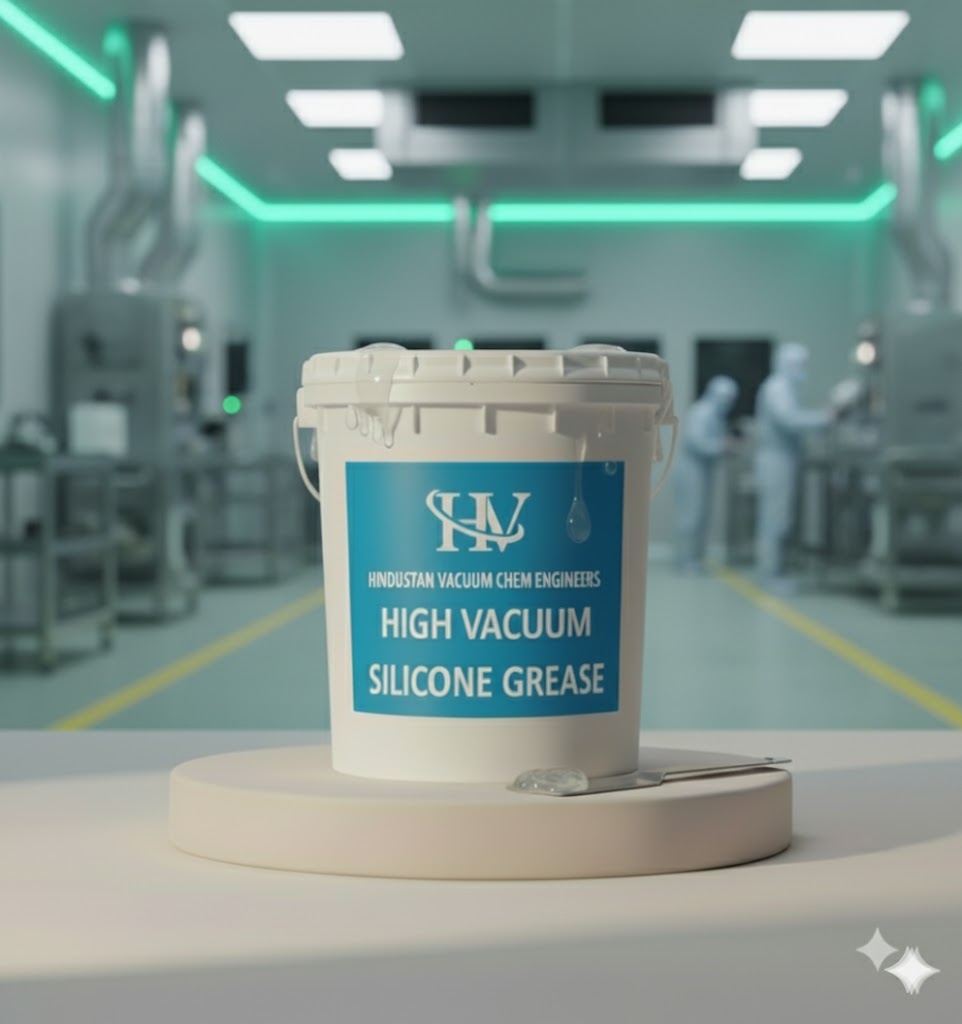
Silicone vacuum grease is a specialized lubricant made from silicone oil and thickening agents. It provides an airtight seal, preventing air or gas leaks in high- or low-pressure systems.
Composition and Working Mechanism
The grease is typically composed of polydimethylsiloxane (PDMS) base oil and inorganic thickeners. These ingredients offer high thermal stability and chemical inertness, ensuring the grease doesn’t evaporate or decompose easily.
Applications Across Industries
From laboratories to automotive systems, silicone vacuum grease is used in O-rings, glass joints, valves, and diffusion pumps, ensuring consistent sealing and smooth operation.
Reason 1: Superior Leak-Proof Performance
A primary reason engineers swear by silicone vacuum grease is its unmatched sealing power. It fills micro-gaps between surfaces, preventing vacuum leaks that could ruin experiments or reduce system efficiency.
Even under high stress, it maintains its integrity—creating a reliable, long-term barrier that resists both air and moisture.
Reason 2: Exceptional Thermal Stability
Silicone vacuum grease can withstand extreme temperatures, from –40°C to 250°C without breaking down. This feature makes it ideal for both cryogenic and high-heat environments.
Engineers use it in systems exposed to fluctuating conditions, such as semiconductor manufacturing or vacuum coating, where reliability under heat is non-negotiable.
Reason 3: Chemical Resistance and Compatibility
This grease stands up to acids, solvents, and gases, maintaining its texture and performance. Its compatibility with materials like metal, glass, and rubber ensures that it won’t cause swelling or degradation—making it a top choice for multipurpose sealing.
Reason 4: Lubrication and Wear Protection
Beyond sealing, it acts as a powerful lubricant. By reducing friction between moving parts, silicone vacuum grease prevents damage to O-rings, threads, and valves. Over time, this extends equipment life and reduces maintenance costs.
Reason 5: Vacuum System Optimization
In vacuum technology, cleanliness is key. Silicone vacuum grease prevents outgassing and contamination—two major enemies of vacuum performance. Its stable molecular structure ensures no vapors are released, maintaining purity and efficiency.
Reason 6: Cost-Effective and Maintenance-Friendly
Because of its long-lasting nature, engineers see silicone vacuum grease as a one-time investment. It rarely needs reapplication and has a long shelf life. This not only saves cost but also reduces downtime during maintenance.
Reason 7: Versatility Across Applications
From electronics and automotive to aerospace and pharmaceuticals, silicone vacuum grease proves useful everywhere. Its adaptability across materials and temperatures makes it a go-to solution in various engineering domains.
Expert Insights from Hindustan Vacuum Chem Engineers
Hindustan Vacuum Chem Engineers has built a solid reputation for delivering premium silicone vacuum grease products that meet global standards. Their products are trusted in laboratories, coating units, and heavy industries due to superior formulation, purity, and long-term reliability.
For more details on their product range, visit their official site or contact their team directly for customized solutions.
Maintenance and Storage Tips
To keep the grease performing optimally:
Store in a cool, dry place.
Keep containers tightly sealed.
Avoid contamination by using clean applicators.
Proper storage ensures that silicone vacuum grease retains its sealing properties for years.
Common Myths About Silicone Vacuum Grease
Some believe it causes contamination or damages rubber. The truth? Modern formulations are chemically inert and safe for most materials. Myths like these often stem from outdated information or misuse.
Environmental and Safety Considerations
Silicone vacuum grease is non-toxic and environmentally friendly. It doesn’t emit harmful vapors and can be safely disposed of following standard industrial protocols.
FAQs
Is silicone vacuum grease safe for all materials?
Yes, it’s compatible with most metals, glass, and rubber materials used in vacuum systems.
Can I use it in high-temperature environments?
Absolutely! It can resist heat up to 250°C without decomposing.
Does it affect vacuum pump performance?
No, it enhances performance by preventing leaks and contamination.
How often should it be reapplied?
Depending on use, once applied properly, it can last for months without reapplication.
Can silicone vacuum grease be removed easily?
Yes, using mild solvents like isopropyl alcohol, it can be cleaned off surfaces easily.
Why choose Hindustan Vacuum Chem Engineers?
They’re known for top-grade industrial lubricants, ensuring reliable quality and superior sealing performance.
Conclusion
In engineering, precision and reliability are everything. Silicone vacuum grease offers both—delivering airtight sealing, high-temperature resistance, and chemical stability.
Brands like Hindustan Vacuum Chem Engineers continue to set the benchmark in quality and innovation, making them the trusted choice of professionals across industries.